Lesson 1: The Key Phrases to Social Survival in French (+ mini pronunciation podcast) 🆕
Objective
The goal of this module is to enable you to hold brief, daily-life conversations in French. Using minimal vocabulary but the right phrases, you will navigate everyday social situations with ease.
These phrases can be learned through repetition and used in specific contexts. There's no need for theory, just practice, since it's always the same phrases that come up in daily life.
Practice and Application
To effectively use these phrases, consider the following:
Role-playing: Simulate scenarios with a partner to practice these phrases in context.
Flashcards: Create flashcards with the French phrase on one side and the English translation on the other to reinforce memory.
Daily Use: Incorporate these phrases into your daily routine to gain confidence.
This structured approach will ease your journey in learning French and ensure you can handle basic social interactions with confidence and flair. Continue practicing, and you'll master these essential phrases in no time!
🍽️ Immediate Needs: Food, Drinks & Payments
☕ Food & Drink
Phrase : Je vais prendre un café, s'il vous plaît.
Context : To order a coffee.
Translation : I'll have a coffee, please.
Objection: "Désolé, la machine à café est déjà nettoyée." (Sorry, the coffee machine has already been cleaned.)
Strategy: You need to understand that the request is not possible, as the machine is closed. In South France, they close it around 5PM generally. But if you need a coffee at this time, I recommend coffee shops (not traditional cafes).
-
Example Responses:
"Ah d'accord, pas de problème." (Oh okay, no problem.)
"Tant pis, merci quand même." (Too bad, thank you anyway.)
Objection: "Malheureusement, cette table est réservée, désolé." (Unfortunately, this table is reserved, sorry.)
Strategy: You need to understand that the table is not available and should ask for an alternative.
-
Example Responses:
"D'accord, et est-ce que cette table-là est libre ?" (Okay, is that table free?)
"Pas de problème, on va attendre qu'une autre table se libère." (No problem, we’ll wait til another table gets free.)
Phrase : Excusez-moi, les toilettes sont où ?
Context : If you're looking for the restroom.
Translation : Excuse me, where are the restrooms?
Phrase : L’addition, s’il vous plaît.
Context : To ask for the bill.
Translation : The check, please.
Phrase : Une baguette, s’il vous plaît. (Bien cuite / normale / pas trop cuite)
Context : To order a baguette and specify how well-done it is.
Translation : A baguette, please. (Well-done / regular / light)
Phrase : Sur place / à emporter ?
Context : When asked if you're eating in or taking out.
Translation : For here / to go?
Phrase : Je vais prendre le menu du jour. (or le plat du jour. Plat: dish /PLA/ not /PLATT/)
Context : To order the daily special at a restaurant.
Translation : I'll have the daily special.
Phrase : Je vais prendre une salade niçoise, un steak frite et une crème brûlée en dessert, s’il vous plaît.
Context : To order multiple items at a restaurant.
Translation : I'll have a Niçoise salad, a steak with fries, and a crème brûlée for dessert, please.
Phrase : C’est possible de se mettre là-bas ? / C'est possible de s'asseoir là-bas ?
Context : To ask for a different table.
Translation : Is it possible to sit over there?
💳 Payments & Shopping
💰 Payments & Stores
Phrase : Ça fait combien ?
Context : To ask for the total price.
Translation : How much is that?
Phrase : C’est combien ?
Context : To ask the price of a single item.
Translation : How much is this?
Phrase : Je paye par carte / en espèces.
Context : To state your preferred payment method.
Translation : I'll pay by card / in cash.
Phrase : C’est possible de payer par carte ?
Context : To ask if you can pay with a card.
Translation : Can I pay by card?
Phrase : Y'a un minimum de carte bleue ?
Context : To ask if there is a minimum charge for card payments.
Translation : Is there a card minimum?
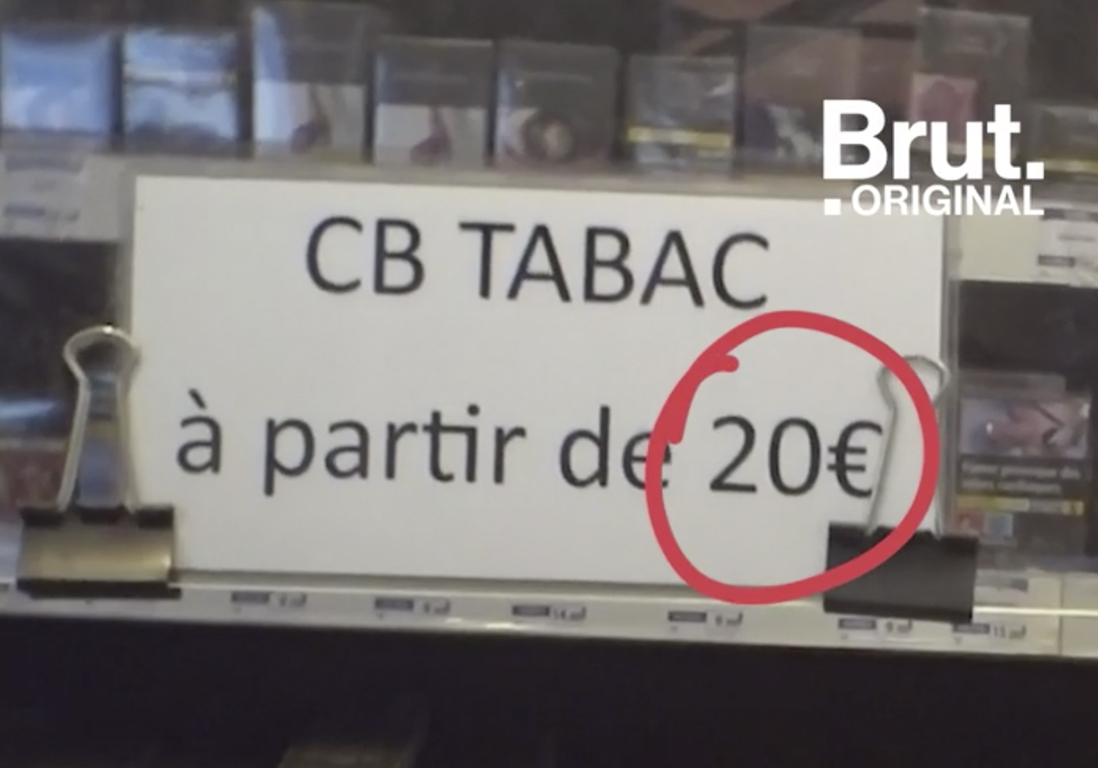
Scenario: Card accepted with 10€ minimum
Server's Objection : "Désolé, il y a un minimum de 10€ pour la carte." (Sorry, there's a 10€ minimum for card payments.)
Strategy : You should be able to propose an alternative payment method.
-
Example Responses :
"Ah d'accord, je peux payer en espèces alors." (Oh okay, I can pay in cash then.)
"Pas de problème, je vais retirer au distributeur." (No problem, I'll just get cash from the ATM.)
Tip: in France, the bank card is called "carte bleue" or "CB". When the cashier says "Ca passe pas" means that you need to make the payment again, because it's refused. Sometimes they can say "Il faut insérer la carte bleue", which means that "le paiement sans contact" doesn't work. Things happen!
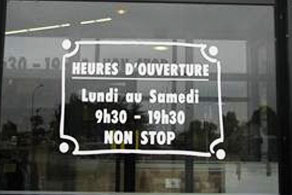
Phrase : Vous fermez à quelle heure ?
Context : To ask a store's closing time.
Translation : What time do you close?
Phrase : Je peux avoir un sac, s’il vous plaît ?
Context : To ask for a bag for your purchases.
Translation : Can I have a bag, please?
"Un sac" is also called "un sachet".
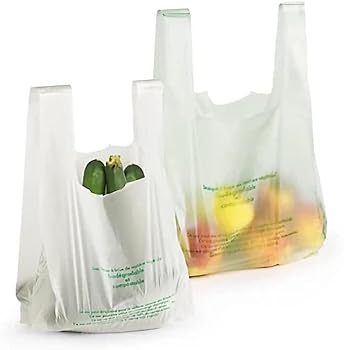
Scenario: No regular bag
Objection: "Désolé, nous n'avons plus de sacs en papier, mais on a des cabas à 1€." (Sorry, we don't have any more paper bags, but we have reusable bags for 1€.)
Strategy: You need to understand that the free option isn't available and decide if you want to pay for the alternative.
-
Example Responses:
"D'accord, je vais le prendre." (Okay, I'll take it.)
"Non merci, c'est pas grave." (No thank you, it's not a big deal.)
💡Tip: I recommend you to take your own bag, or a shopping cart like this:
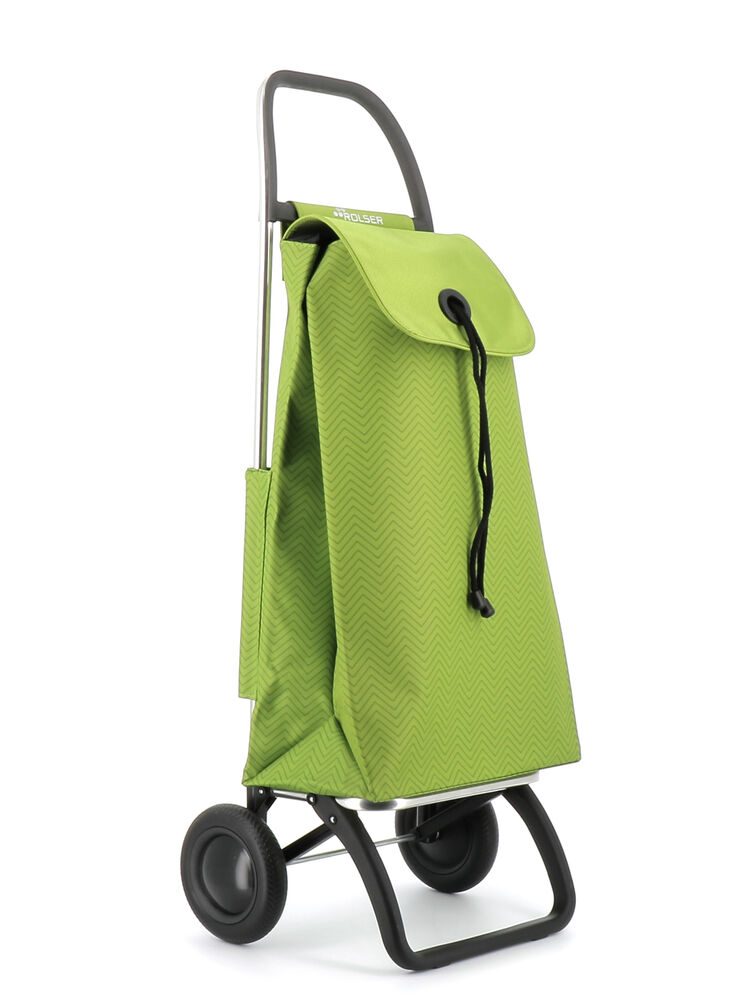
Un chariot (I wanted to say un caddie but charriot is okay). Très utile ! Very useful.
Phrase : Je regarde juste, merci.
Context : When a store employee asks if you need help.
Translation : I'm just looking, thanks.
🗺️ Practical Matters: Directions & Travel
📍 Information, Directions & Transport
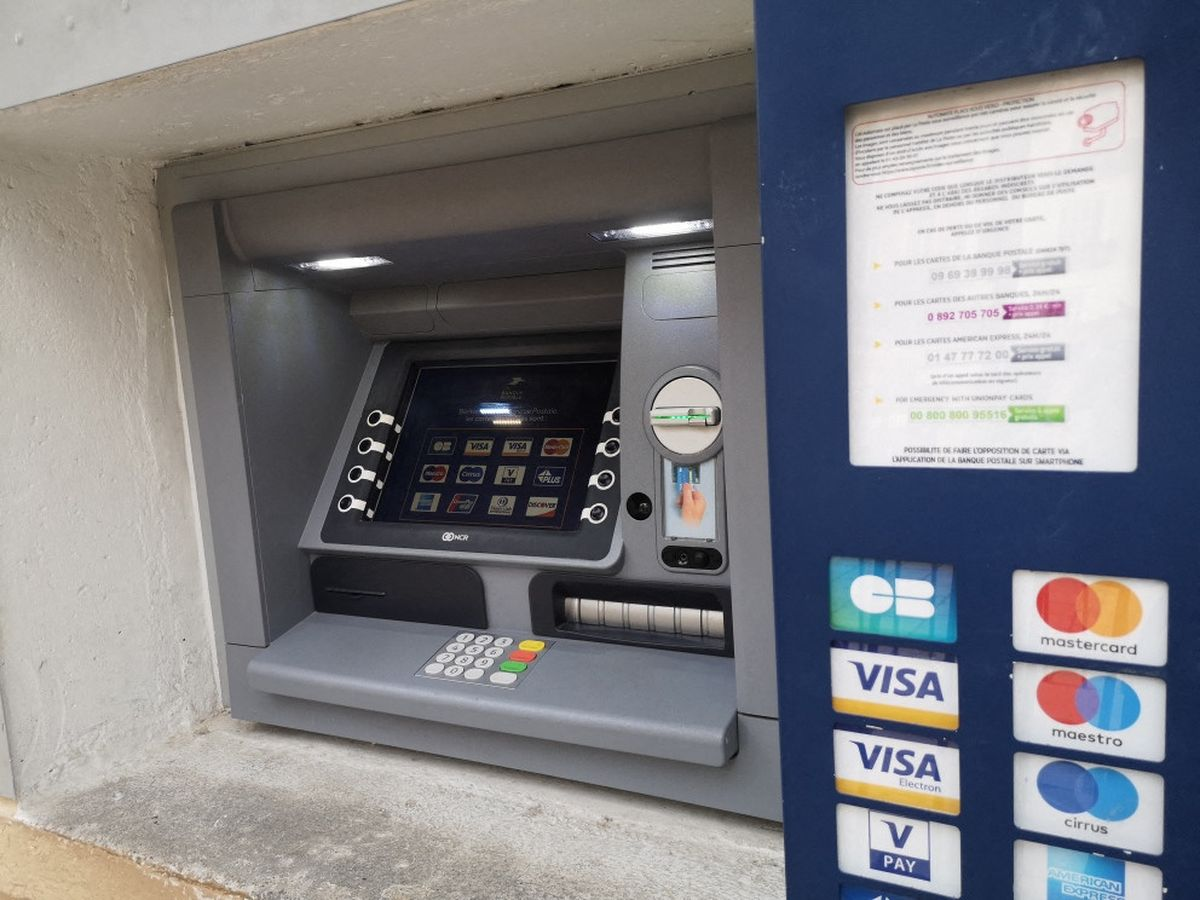
Phrase : Excusez-moi, où je peux trouver un distributeur ?
Context : To find an ATM.
Translation : Excuse me, where can I find an ATM?
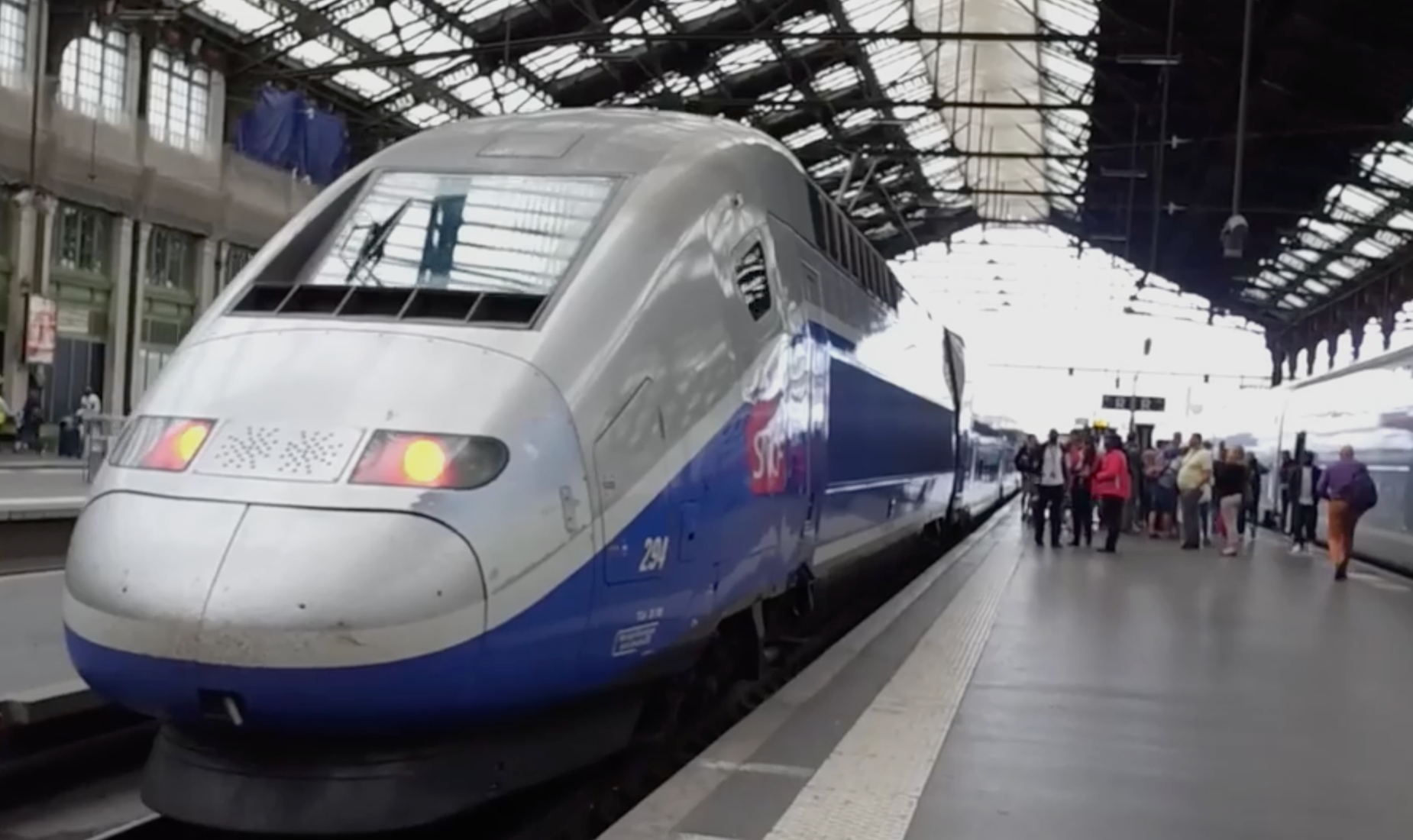
Phrase : Il va bien à Montpellier ?
Context : To check you're on the right train.
Translation : Is this the right train for Montpellier?
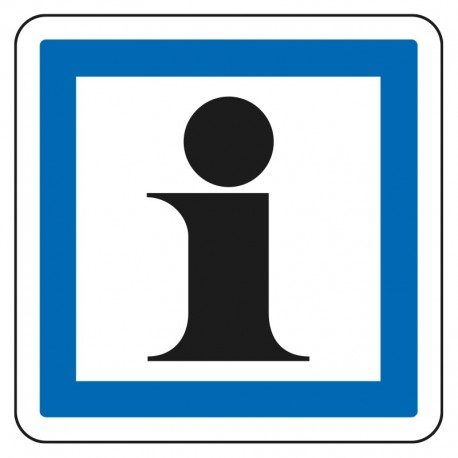
Phrase : Bonjour, c'est pour un renseignement.
Context : To start a conversation to ask for information not from someone, but at an information desk, a train station, a post office, or in a store.
Translation : Hello, I'm here for some information.
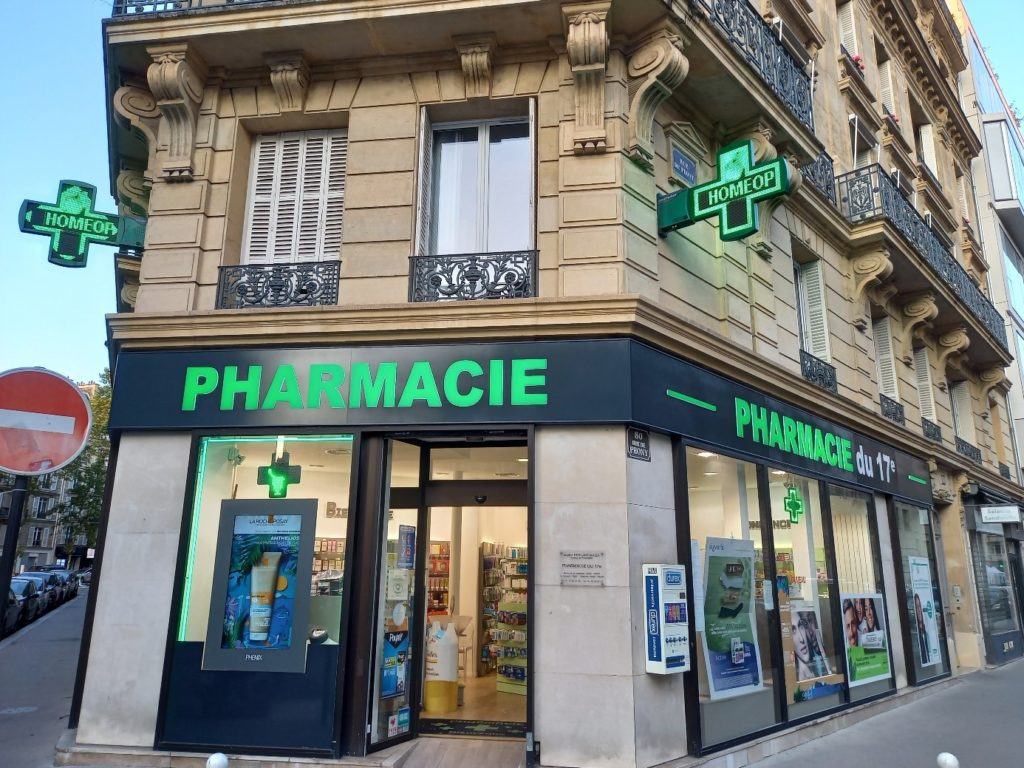
Phrase : Excusez-moi, je cherche une pharmacie pas loin.
Context : To find a nearby pharmacy.
Translation : Excuse me, I'm looking for a pharmacy nearby.
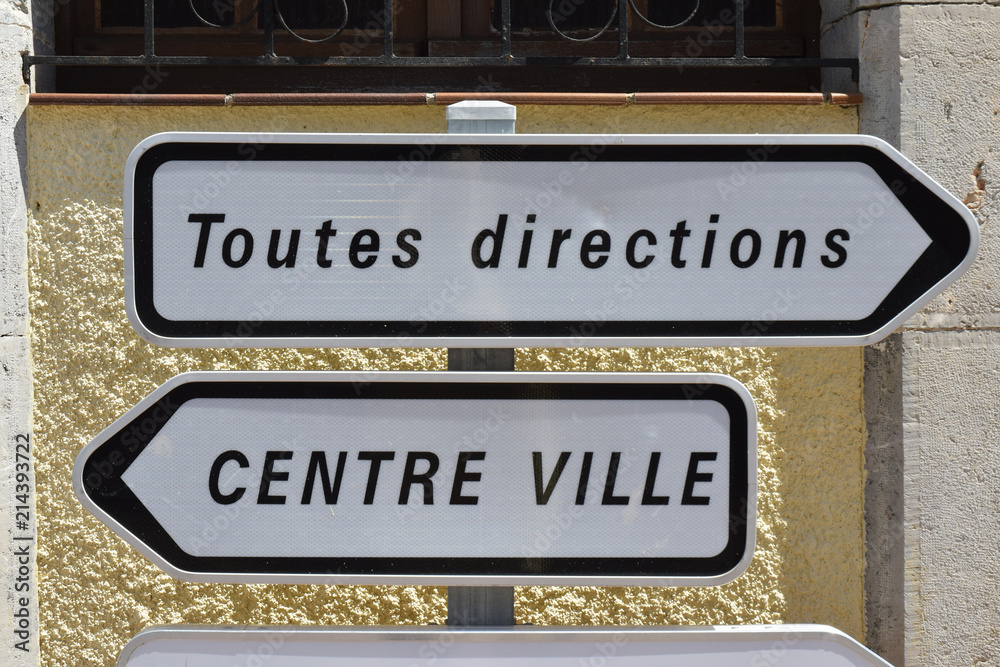
Phrase : Excusez-moi, pour aller au centre-ville, c'est par où ? (We also say "en ville" like in town)
Context : To ask for directions.
Translation : Excuse me, how do I get downtown?
Phrase : Vous passez par [name of the place] ?
Context : To ask a taxi or bus driver about their route.
Translation : Are you going by [name of the place]?
Scenario: Wrong Destination
Bus Driver's Objection: "Non, c'est le bus de l'autre côté !" (No, that's the bus on the other side of the street!)
Strategy: You need to understand your mistake and thank the driver politely.
-
Example Responses:
"Ah d'accord, merci !" (Oh okay, thank you.)
"Pardon, je savais pas." (Sorry, I didn't know.)
Phrase : Excusez-moi, je cherche la rue [nom].
Context : To find a specific street.
Translation : Excuse me, I'm looking for [street name].
🏨 Hotels & Travel
Phrase : Bonjour, j’ai réservé une chambre au nom de…
Context : To check into a hotel.
Translation : Hello, I have a reservation under the name of...
Phrase : C’est possible de laisser mes bagages ici ?
Context : To leave your luggage before check-in or after check-out.
Translation : Is it possible to leave my bags here?
💊 Essential Services: Health & Appointments
⚕️ Health & Pharmacy
Phrase : Il me faudrait du Doliprane 1000 miligrammes [or another drug], s’il vous plaît.
Context : To ask for a specific medication.
Translation : I need some Tylenol 1000 mg, please.
Scenario 1: No Prescription
Pharmacist's Objection: "Désolé, c’est sur ordonnance uniquement." (Sorry, this medication is by prescription only.)
Strategy: You need to understand that the request is not possible and should either accept it or ask for an alternative.
-
Example Responses:
"Ah d'accord, merci quand même." (Oh okay, thank you anyway.)
"Et vous n'avez rien de similaire sans ordonnance ?" (Do you have anything similar without a prescription?)
Scenario 2: Generic Medication Offered
Pharmacist's Objection: "On n'en a plus mais ce sera en générique." (We don't have that brand anymore, but we have the generic version.)
Strategy: You can accept the alternative simply and politely. The phrase "pas de soucis" pronounced /PADSOUCI/ is a perfect, casual way to do this.
-
Example Responses:
"Pas de soucis." (No problem.)
"Oui, c'est parfait, merci." (Yes, that's perfect, thank you.)
Phrase : Je voudrais prendre rendez-vous avec le docteur…
Context : To make a doctor's appointment.
Translation : I'd like to make an appointment with Dr. ...
Phrase : Je viens pour mon rendez-vous à [time].
Context : When you arrive for an appointment.
Translation : I'm here for my appointment at [time].
Phrase : C’est possible de décaler le rendez-vous ?
Context : To reschedule an appointment.
Translation : Is it possible to reschedule the appointment?
🤝 Social & Casual Interactions
🗣️ Neighbors & Friends
Phrase : Passez le bonjour à votre mari / femme.
Context : To send a greeting to a neighbor's family.
Translation : Say hello to your husband / wife for me.
Phrase : On pourrait prendre un café un de ces jours ?
Context : To suggest getting together with a friend or neighbor.
Translation : We should get a coffee sometime.
🛍️ Specific Needs & Customer Service
👕 Shopping & Clothes
Phrase : Vous me conseillez quoi ? J’y connais rien.
Context : To ask for advice in a store.
Translation : What do you recommend? I have no idea.
Phrase : Quelle est la différence entre A et B ?
Context : To compare two products.
Translation : What's the difference between A and B?
Phrase : Je voudrais cette coupe / une coupe courte ici.
Context : At the hairdresser's. To ask for a specific haircut by showing a picture, or to point to a specific area on your head (e.g., the sides or the back) while saying "short here."
Translation : I'd like this haircut. / I'd like it short here.
📦 Returns & Complaints
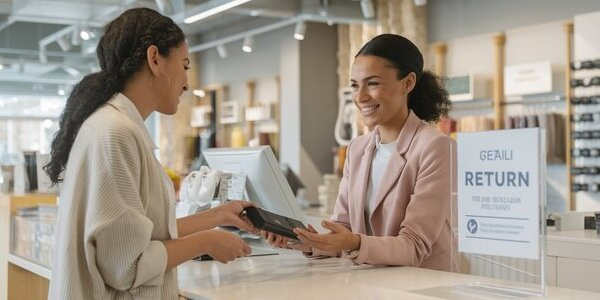
Phrase : Je viens pour un échange. C’était trop grand. Est-ce possible d’être remboursé ?
Context : To return or exchange an item.
Translation : I'm here for an exchange. It was too big. Is it possible to get a refund?
Phrase : C'est prêt dans combien de temps environ ?
Context : To ask about the estimated preparation time for an order.
Translation : How long until it's ready?
Phrase : Il y a un problème avec ma commande.
Context : To complain politely about an order.
Translation : There's a problem with my order.
Phrase : J'avais commandé un [correct order] et j'ai reçu [wrong order].
Context : To explain a mistake with an order.
Translation : I ordered a [correct order] and I received [wrong order].
Phrase : Il manque [missing item/food].
Context : To report a missing item.
Translation : I'm missing [missing item/food].
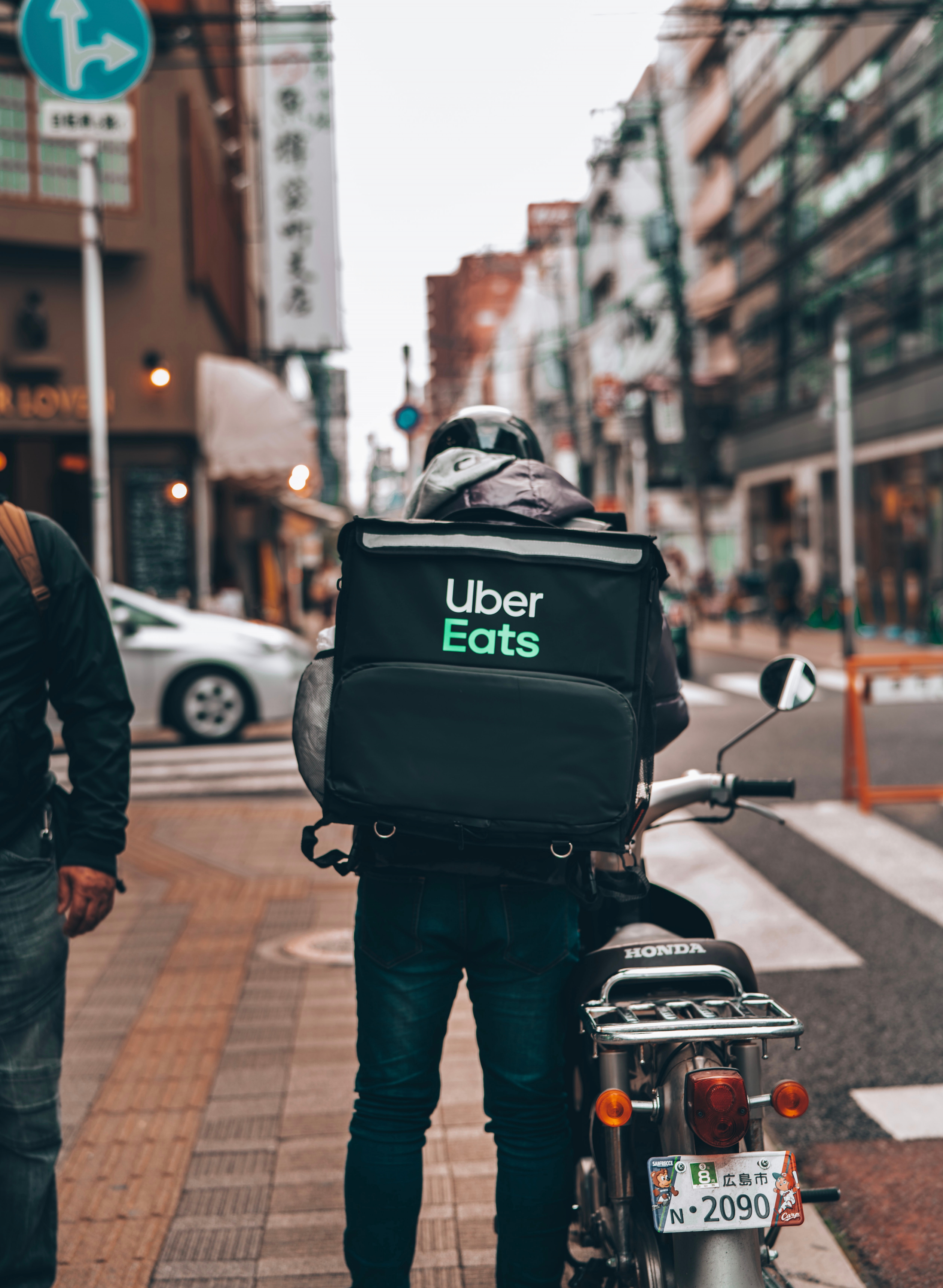
Phrase : Je descends tout de suite.
Context : To a delivery person.
Translation : I'm coming down right away.
Bonus:
Phrase : Excusez-moi, j’ai oublié mon [objet], est-ce que vous l’avez ?
Context : To ask if someone found an object you forgot.
Translation : Excuse me, I forgot my [object], do you have it?
Phrase : J’ai perdu mon portefeuille, est-ce que vous l’avez vu ?
Context : To ask if someone has seen your lost wallet.
Translation : I lost my wallet, have you seen it?
Phrase : Monsieur / Madame, vous avez fait tomber votre [objet].
Context : To tell someone they dropped something.
Translation : Sir / Madam, you dropped your [object].
Portefeuille: wallet | ma carte: my bank card | mon parapluie: my umbrella
Other:
Phrase : Excusez-moi, vous avez la / le wifi ?
Context : To ask if wifi is available.
Translation : Excuse me, do you have wifi?
Oh sorry!
Phrase : Oh pardon, j’ai pas fait exprès.
Context : To apologize after making a mistake unintentionally.
Translation : Sorry, I didn’t mean to.
Phrase : Désolé, j’ai pas fait attention.
Context : To apologize for not paying attention.
Translation : Sorry, I wasn’t paying attention.
Madame ! Monsieur ! S'il vous plaît !
Phrase : Madame / Monsieur, c’est interdit.
Context : When someone warns youthat something is forbidden.
Translation : Sir / Madam, that’s forbidden.
Oups ...
Phrase : Ah d’accord, désolé !
Context : To react politely when someone tells you it’s forbidden.
Translation : Oh okay, sorry!
Phrase : Pas de problème, je savais pas.
Context : To acknowledge politely when warned something is not allowed.
Translation : No problem, I didn’t know.
French people's favorite phrase: c'est pas possible
Phrase : Désolé, c’est pas possible de [faire quelque chose].
Context : When someone tells you that something cannot be done.
Translation : Sorry, it’s not possible to [do something].
And you have to think: c'est la vie ...
Phrase : D’accord, je comprends.
Context : To accept when told something is not possible.
Translation : Okay, I understand.
Phrase : Tant pis, merci quand même. / Pas de soucis.
Context : To react politely when your request cannot be fulfilled.
Translation : Too bad, thanks anyway. / It's okay.
But why? Mais pourquoi ?
Phrase : Pourquoi ?
Context : To ask why when told something is not possible.
Translation : Why?
Phrase : Pour quelle raison ?
Context : To ask for the reason when told something is not possible.
Translation : For what reason?
Essential Phrases Recap & Usage Context
20 Must-Know Phrases (for daily survival)
Je vais prendre un café, s'il vous plaît. → at a café
Excusez-moi, les toilettes sont où ? → at a restaurant or café
L’addition, s’il vous plaît. → at a restaurant
Ça fait combien ? → to ask for the total price
Je paye par carte / en espèces. → at a store or restaurant
Une baguette, s’il vous plaît. (Bien cuite / normale / blanche) → at a bakery
Excusez-moi, je cherche une pharmacie pas loin. → on the street
Il me faudrait une boîte de Doliprane [or another drug], s’il vous plaît. → at a pharmacy
Excusez-moi, pour aller au centre-ville, c'est par où ? → on the street
Vous fermez à quelle heure ? → at a store
C’est possible de payer par carte ? → at a store
Je peux avoir un sac, s’il vous plaît ? → at a store
Je regarde juste, merci. → in a store
Je voudrais prendre rendez-vous avec le docteur [name of the Dr]… → at the doctor's office
Je viens pour mon rendez-vous à [hour], je suis Monsieur / Madame [Your name]. → at the doctor's office
Bonjour, j’ai réservé une chambre au nom de… → at a hotel
Vous passez par [name of the place] ? → with a driver or on public transport
Excusez-moi, je cherche la rue [name of the street]. → on the street
Bonjour, c'est pour un renseignement. → to ask for information
C’est combien ? → to ask the price of an item
20+ Bonus Phrases (to go further)
These phrases are very useful for more complex interactions, comfort, and less immediate situations.
Context: At the station to check for the correct train
· French: Il va bien à [Montpellier] ?
· English: Does this (train) go to [Montpellier]?
Context: On the street
· French: Excusez-moi, où je peux trouver un distributeur ?
· English: Excuse me, where can I find an ATM?
Context: To ask if there's a minimum charge for card payments
· French: Y'a un minimum de carte bleue ?
· English: Is there a minimum for card payments?
Context: At a store, to ask for advice
· French: Vous me conseillez quoi ? J’y connais rien.
· English: What do you recommend? I don't know anything about this.
Context: At a store
· French: Quelle est la différence entre [produit A] et [produit B] ?
· English: What's the difference between [product A] and [product B]?
Context: At the doctor's office or with a professional
· French: C’est possible de décaler le rendez-vous ?
· English: Is it possible to reschedule the appointment?
Context: At a hotel (for early check-in or late check-out)
· French: C’est possible de laisser mes bagages ici ?
· English: Is it possible to leave my luggage here?
Context: At a hair salon
· French: Je voudrais [cette coupe / couleur / coloration] / une coupe courte ici.
· English: I would like [this haircut / color] / a short cut here.
Context: For a return or at customer service
· French: Je viens pour un échange. C’était trop [grand / petit]. C’est possible d’être remboursé ?
· English: I'm here for an exchange. It was too [big / small]. Is a refund possible?
Context: To a neighbor or acquaintance
· French: Passez le bonjour à votre [mari / femme].
· English: Say hello to your [husband / wife] for me.
Context: To a neighbor or friend
· French: On pourrait prendre un café un de ces jours ?
· English: Maybe we could get a coffee one of these days?
Context: To order at a restaurant
· French: Sur place / à emporter.
· English: For here / to go.
Context: To ask about a food preparation time
· French: C'est prêt dans combien de temps environ ?
· English: About how long until it's ready?
Context: To complain politely at a restaurant
· French: Il y a un problème avec ma commande.
· English: There's a problem with my order.
Context: To complain politely at a restaurant
· French: J'avais commandé un [commande juste] et j'ai reçu [commande erronée].
· English: I ordered a [correct item] and I received [wrong item].
Context: To complain politely
· French: Il manque [missing item/food].
· English: [Missing item] is missing.
Context: To order at a restaurant
· French: Je vais prendre le menu du jour.
· English: I'll have the daily special.
Context: To a delivery person
· French: Je descends tout de suite.
· English: I'm coming down right now.
Context: At a restaurant
· French: Je vais prendre [une entrée], [un plat] et [un dessert], s’il vous plaît.
· English: I'll have [a starter], [a main dish], and [a dessert], please.
Context: To ask if it is possible to sit in a specific seat
· French: C’est possible de se mettre [là-bas] ?
· English: Is it possible to sit [over there]?
Context: To change your seat at a restaurant
· French: C’est possible de changer de place ?
· English: Is it possible to change seats?
Context: To order another coffee
· French: un autre [café] s’il vous plaît !
· English: Another [coffee], please!